The Real Cost of Manual OTA Management

Hotel operators know that OTA commission fees (typically 15–25%) hit the bottom line hard. But beyond that, there are often overlooked operational and human costs that slowly drain both staff morale and revenue.

Operational Inefficiencies

Managing multiple extranets is a morning headache. Properties without automation often see teams spending 2–3 hours daily manually updating rates, inventory, and handling channel-specific messages. In contrast, hotels using channel managers can automate these processes across dozens of channels in seconds (pmarketresearch.com). That efficiency gap often translates into missed opportunities during high-demand periods—precisely when rate agility matters most.

Revenue Leakages

Without synchronized rate and inventory management, hotels suffer real losses. Reports show that channel manager adoption reduces manual errors by 72%, and midscale hotels can see direct booking revenue grows by 18% annually (pmarketresearch.com). Missing a surge—like a local festival—and failing to update rates quickly across all channels almost guarantees lost revenue. The result? Hidden leaks that accumulate far faster than many realize.

Hidden Human Costs

Shuffling between OTA extranets is mentally exhausting. Staff turnover is a real cost. Research shows automation can save 15–20 hours of weekly manual labour for a 150-room hotel (pmarketresearch.com). That time could be redirected to guest relations or crafting memorable experiences—what hoteliers truly want their teams doing.

Technical Disadvantages

Manual updates lag behind competitors. A beachside property might spend an hour updating peak-season rates—while rivals adjust in real-time. This delay means lost bookings, slower insights, and reactive, not proactive, pricing. Those with tech-savvy systems see near-perfect inventory accuracy and can shift rates in response to competitor moves (pmarketresearch.com).

The Risk Factor

Overbooking is expensive—not just in payouts but also reputation. Some properties report as much as 73% reduction in overbooking incidents within six months after integrating a channel manager (pmarketresearch.com). When channels aren’t synced, staff must scramble to relocate guests, often at added cost—and with hit review scores.

Financial Impact

While exact totals vary, market data suggests:

  • Hotels using channel managers see 10–15% more bookings overall (org, emersionwellness.com)
  • RevPAR improvements of 5–10% are common (com)
  • Operational savings: 15–20 hours of manual work weekly for 150‑room properties (com)

These numbers aren’t just academic—they translate into thousands saved and earned, operational clarity, and lower staff burnout.

The Solution Perspective

Automation isn’t just about efficiency; it’s about unlocking revenue and potential:

  • Channel managers help maximize occupancy with accurate, real-time updates across all platforms ( com, gracesoft.com).
  • Midscale properties saw 18% growth in direct bookings after adoption (com).
  • Independent hotels regained control, with boutique properties achieving 22–40% lifts in occupancy or reallocated marketing budgets (com).

Technology drives results—and the ROI is clear.

Action Steps

If you manage properties, here’s how to transition from manual to automated OTA management:

First, assess your current costs. Track staff hours on updates, count overbookings, and note revenue lost from rate mismatches. This will be your baseline.

Next, evaluate channel managers that work with your PMS. Look for ones with real-time sync, automated rate updates, and strong support. UNO Channel Manager is reliable for properties of all sizes.

Finally, plan your implementation. Choose a slower season to switch, train your team thoroughly, and run both systems concurrently for a while to ensure a smooth transition. The initial investment quickly pays off with improved efficiency and increased revenue.

By embracing automation, properties don’t just reduce friction—they reclaim valuable time, revenue, and guest loyalty. UNO Channel Manager is built for this future—so modern hoteliers can steer their operations toward growth, not grind.
The Real Cost of Double Bookings in Hotels

Imagine a family arriving at your hotel after a long trip, eager to start their vacation, only to find their room double-booked. With no available accommodations, the situation quickly escalates into a costly mistake. Hotels often bear the expense of arranging alternative accommodations, transportation, and compensation to appease disgruntled guests.

The repercussions extend beyond immediate financial losses. Front desk staff are left to manage stressed guests, while management diverts attention from growth to damage control. This stress can diminish employee morale, leading to decreased productivity and higher turnover rates.

The most significant impact, however, is on the hotel’s reputation. A single negative review can reach thousands, tarnishing the hotel’s image for an extended period. Studies indicate that 86% of travelers avoid hotels with a history of booking mishaps, turning each double booking into a potential long-term revenue loss.

Understanding the Double-Booking Dilemma

Double bookings occur when hotels utilize multiple booking channels without proper synchronization. Listing rooms on various platforms like Booking.com, Expedia, and the hotel’s website makes maintaining accurate room counts challenging.

Manual updates are a primary culprit. Consider a scenario where a guest books the last available room on Booking.com. Before staff can update other platforms, another guest books the same room on Expedia. Both bookings are valid, yet only one room is available.

During peak seasons, this issue intensifies. Increased bookings heighten the risk of errors, especially when staff are overwhelmed. Even brief delays in updating room availability can result in double bookings.

Last-minute bookings and changes exacerbate the problem. When guests modify dates or extend stays, these updates must reflect across all platforms immediately. Without automation, tracking room availability becomes nearly impossible.

Time zone differences add another layer of complexity. Bookings from around the world can occur while your staff is off-duty. Without real-time updates, you may wake up to multiple double bookings and dissatisfied guests.

The Ripple Effect of Double Bookings

The impact of a double booking extends beyond one unhappy guest. Hotels may need to cover the cost of alternative accommodations, travel expenses, and additional perks to rectify the situation. This is just the beginning.

Such incidents often lead to negative online reviews. In today’s digital age, a single bad review can influence countless potential guests. If travelers encounter reviews highlighting double bookings, they may opt for a different hotel, resulting in lost future revenue. The erosion of trust is significant and enduring.

Social media amplifies these issues. Disgruntled guests share their experiences on platforms like Twitter or TripAdvisor, creating a ripple effect that can damage your hotel’s reputation for months. Each negative post can sway hundreds of booking decisions.

Financially, double bookings strain operations. Staff spend time resolving these issues instead of assisting other guests or completing essential tasks. Additionally, booking rooms at nearby hotels on short notice often incurs higher costs, further eroding profits.

Moreover, double bookings can strain relationships with online travel agencies (OTAs). Frequent issues can lower your hotel’s ranking on these platforms, reducing visibility and future bookings.

Channel Management: The Modern Solution

Hotels no longer need to rely on spreadsheets and manual updates for bookings. Modern channel management systems provide a comprehensive solution to prevent double bookings, acting as the hotel’s digital backbone to ensure all booking platforms remain synchronized.

A channel manager updates room availability in real-time across all platforms. If a room is booked on Booking.com, it becomes unavailable on Expedia, your website, and other channels. This automatic synchronization prevents double bookings and saves time.

These systems also enable rate updates across all platforms with a single click, maintaining price consistency and maximizing revenue during peak periods.

Modern channel managers seamlessly integrate with your property management system, revenue tools, and booking engine, creating a streamlined operation for your hotel.

Importantly, these systems offer detailed reports and analytics, helping you identify the most effective channels and focus your efforts accordingly. This data-driven approach supports informed decisions about your distribution strategy.

Implementing Effective Channel Management

Transitioning to a channel manager requires careful planning. Begin by assessing your hotel’s needs, considering the number of rooms, current systems, and booking channels. This evaluation helps in selecting the right solution.

Integration is crucial. Your channel manager should seamlessly connect with your property management system (PMS) and booking engine, ensuring smooth data flow and minimizing issues.

Training your staff is essential. They need to be proficient in using the new system. Reputable channel managers offer comprehensive training and support, ensuring your team feels confident.

Best practices include:

  • Starting with a few channels before expanding
  • Regularly checking the system to ensure all connections are functional
  • Setting up alerts for any synchronization issues
  • Establishing procedures for updating rates and inventory
  • Providing regular staff training refreshers

Implementing a channel manager is more than just adding software; it involves changing workflows and ensuring your team adapts. Done correctly, it enhances your distribution strategy and reduces the risk of double bookings.

Future-Proofing Your Booking Management

The hospitality industry evolves rapidly, and staying ahead requires embracing new technology. Modern channel managers leverage AI and machine learning to predict booking trends and recommend optimal pricing. These systems analyze past data, market trends, and competitor rates to help hotels make informed decisions.

Managing bookings on mobile devices is now essential. Hotel managers need the flexibility to control inventory, rates, and bookings from anywhere. Leading channel managers offer mobile apps that provide real-time alerts and allow quick updates, ensuring you never miss a booking or rate change.

Real-time performance tracking has transformed how hotels measure success. Instead of waiting for monthly reports, managers can access live dashboards displaying channel performance, booking trends, and revenue data. This enables swift strategy adjustments when necessary.

The future of channel management lies in seamless integration and automation. The best systems will continue to evolve, offering features like automated rate changes based on market conditions, instant booking confirmation across all channels, and predictive analytics for improved inventory management.

Making the Switch: ROI and Benefits

Switching to a modern channel manager is more than just preventing double bookings—it’s an investment that enhances your entire operation. Hotels utilizing automated channel management experience results within the first month.

The operational impact is evident: staff spend 85% less time on manual updates, allowing them to focus more on guest experiences. No more scrambling to update multiple OTAs or managing overbooking issues. One hotel reported saving 25 hours per week on inventory management alone.

Long-term revenue benefits are substantial. Hotels report a 15-20% increase in revenue within six months due to improved rate management and broader distribution. Eliminating double bookings can save thousands in compensation costs and lost revenue.

Customer satisfaction scores improve by 30% after implementing a channel manager. Guests appreciate accurate room availability and consistent rates across all booking platforms, leading to better reviews and increased repeat bookings.

In today’s competitive market, a reliable channel manager is indispensable. UNO Channel Manager excels with ARI updates in real-time, keeping your property competitive and minimizing double booking risks across all channels.

Understanding Hotel Channel Managers

Gone are the days of manually updating room availability on each booking site. A hotel channel manager acts as your property’s booking control center, linking your hotel to numerous online booking sites simultaneously. It ensures that when a room is booked on one platform, it is no longer available on others.

The hospitality industry has evolved from relying on travel agents to utilizing a network of online booking channels. Today’s travelers demand instant confirmation and up-to-date availability, making a channel manager essential for managing multiple booking sites efficiently.

The Real Impact on Daily Operations

Implementing a channel manager revolutionizes daily operations. No more switching between extranets, juggling spreadsheets, or dealing with late-night calls about double bookings. The system updates your inventory across all channels in real-time, ensuring rate consistency and preventing overbookings.

For your front desk team, this means more time to focus on guests rather than managing bookings. They can rely on the system to maintain accurate inventory and consistent rates across channels, acting as a dependable assistant that works around the clock. To learn more about how to streamline your hotel’s distribution, visit our UNO Channel Manager page.

Transforming Your Distribution Strategy

A channel manager transforms your distribution strategy, extending beyond simple inventory management. It serves as a control center for reaching new markets, allowing you to list on multiple platforms while ensuring everything stays in sync.

The key advantage lies in the data it provides. By tracking every booking, channel performance, and rate change, you can make informed decisions about where to allocate your marketing budget, and which channels yield the best returns. This approach is about being smarter with your distribution strategy, not just being on more platforms.

Key Benefits for Different Property Types

Channel managers offer unique benefits tailored to different property types. Small boutique hotels and B&Bs find them invaluable for competing with larger chains, enabling them to reach the same audience while maintaining their personal touch.

Large hotel chains use channel managers to ensure brand consistency across numerous rooms and locations, keeping rates and brand standards uniform. Independent properties can compete effectively without a large staff, while vacation rental owners can seamlessly switch between platforms like Airbnb and Booking.com without manual updates.

Integration and Technology Ecosystem

In today’s digital hospitality landscape, a channel manager is a crucial component of your technology ecosystem. Its seamless connection with your Property Management System (PMS) keeps your front desk updated with the latest booking details.

Your booking engine must integrate smoothly with the channel manager, ensuring that when a guest books on your website, availability is updated across all channels instantly. The best channel managers connect with major OTAs and GDS systems through two-way APIs, ensuring real-time updates and a harmonious digital operation.

Making the Right Choice

Selecting the right channel manager involves finding one that aligns with your property’s needs. Essential features include real-time updates, automated inventory management, and comprehensive reporting. When evaluating options, consider uptime guarantees, support response times, and integration capabilities.

Think about the implementation process and team training. The ideal solution should be user-friendly and offer long-term value. UNO’s channel manager provides these essentials and more, with AI-powered rate recommendations and a mobile-first design, making it a smart choice for competitive properties.

Future of Channel Management

The hospitality industry is rapidly evolving, and channel management technology is advancing alongside it. AI and machine learning are transforming how properties manage distribution, offering tools for better price prediction and understanding guest behavior.

Managing operations on mobile devices is now essential, allowing hoteliers to update rates, check inventory, and respond to market changes from anywhere. The future will bring more intelligent systems that automate complex decisions while giving properties greater control over their strategies.

UNO’s channel manager is at the forefront of this change, with AI features that help properties stay ahead and boost revenue. Looking ahead, expect a focus on seamless connectivity, real-time data analysis, and smart automation, making distribution management more efficient and profitable for all properties.

Understanding Channel Managers: Your Property’s Digital Command Center

Managing a property involves juggling multiple online travel agencies (OTAs), direct bookings, and various other channels. A channel manager serves as your property’s digital command center, automatically updating your inventory, rates, and availability across all platforms in real-time. Think of it as an air traffic controller for your bookings, ensuring everything operates smoothly without conflicts. With UNO Channel Manager, you can transform scattered booking management into a streamlined, error-free process that saves time and boosts revenue.

The Evolution of Property Management: Why Channel Managers Matter

Gone are the days of manual updates and cumbersome spreadsheets. Modern property management demands quick responses and seamless connectivity across numerous booking sites. Channel managers bridge the gap between traditional methods and innovative digital tools, turning hours of work into seconds with automation. For property managers with multiple listings, a channel manager is not just beneficial—it’s crucial for staying competitive and efficient in today’s digital landscape.

10 Transformative Ways Channel Managers Revolutionize Property Management

  1. Automated Inventory Synchronization: Eliminate manual updates. When a room is booked on one site, it updates across all platforms instantly. UNO Channel Manager ensures all your channels remain in sync.
  2. Real-time Rate Management: Adjust prices across all sites simultaneously. Respond to market demands, events, or occupancy levels with a single click.
  3. Centralized Booking Management: Manage all bookings from one centralized location, eliminating the need to switch between different platforms.
  4. Enhanced Distribution Control: Strategically decide which rooms to list on specific sites to maximize revenue.
  5. Streamlined Guest Communication: Consolidate all guest messages and requests into one inbox for efficient handling.
  6. Data-Driven Decision Making: Leverage analytics to make informed decisions that enhance your distribution strategy.
  7. Revenue Optimization: Utilize smart rate tips and analytics to boost your revenue potential.
  8. Operational Efficiency: Automate routine tasks to free up time for more strategic activities.
  9. Risk Reduction: Minimize the risk of overbookings and errors with real-time updates.
  10. Scalability Support: Easily scale your operations as your property portfolio grows.

The UNO Channel Manager Advantage

UNO Channel Manager empowers hotels to manage bookings effectively. Our platform integrates with over 200 online travel agencies and booking sites, providing your property with the visibility it needs. With 99.9% uptime and real-time updates, you won’t miss a booking. UNO Channel Manager is user-friendly and offers features like smart rate tips, automatic inventory updates, and comprehensive analytics. Our support team is available 24/7 to ensure your operations run smoothly.

Making the Transition: Implementing a Channel Manager

Transitioning to a new channel manager is typically seen as complex and time-consuming but with UNO Channel Manager, it is fast, easy, and seamless. Our automated onboarding feature pulls property content, room rates, and other key details directly from top OTAs using APIs, significantly reducing manual effort and setup time. Most properties are fully transitioned within a few hours, thanks to our smart auto-mapping and intuitive interface. Plus, our implementation team provides end-to-end support, including training, resources, and personalized guidance, ensuring minimal disruption to your daily operations. With UNO Channel Manager, you save time, reduce friction, and get to focus on driving performance.

Schedule your implementation consultation

Measuring Success: ROI and Performance Metrics

Success with a channel manager is measured by tangible results. Track key metrics such as channel performance, booking pace, and revenue growth. Our clients often experience reduction in overbookings and save on distribution management time within the first quarter. Monitor your average daily rate (ADR) across channels, distribution costs, and direct booking ratio.

Taking the Next Step: Transform Your Property Management

Are you ready to revolutionize your property management approach? The hospitality industry is evolving, and staying ahead requires the right tools. UNO Channel Manager offers automation, control, and intelligence to enhance your operations. Whether you manage a small hotel or multiple properties, our experts can facilitate a smooth transition. Book a demo today to discover how UNO can reduce costs, increase revenue, and improve guest experiences.

Schedule your free consultation today

Understanding Channel Management in Hospitality

In today’s hospitality industry, being present on multiple booking platforms is crucial. Managing these channels manually can lead to chaos and missed opportunities, which is where a channel manager becomes invaluable.

A channel manager serves as your hotel’s digital hub, synchronizing room inventory, rates, and availability across all booking sites in real-time. Whether it’s Booking.com, Expedia, or Agoda, every channel stays in sync, ensuring a seamless operation.

The hospitality industry has evolved from simple phone and email bookings to a complex network of digital channels. Modern channel managers, like UNO Channel Manager are essential tools that help hoteliers navigate this complexity, enhancing their online presence and boosting revenue.

Core Functions and Benefits

A channel manager functions as your hotel’s digital control center, transforming property management through four key tasks:

  • It manages real-time inventory across all channels, preventing double bookings by updating availability instantly when a room is booked.
  • It also automates rate updates, ensuring your pricing remains competitive and consistent. Whether adjusting for peak seasons or running flash sales, changes are reflected instantly across all platforms.
  • The system centralizes content distribution, allowing you to update property photos, descriptions, or amenities once, with changes syncing everywhere, eliminating the need for multiple portal logins.
  • It provides detailed performance analytics. For example, UNO’s channel manager offers insights into channel performance, aiding informed decisions about your distribution strategy.

How a Channel Manager Transforms Hotel Operations

A channel manager acts as your hotel’s digital backbone, allowing you to make updates once and see them reflected across all booking sites, saving hours of daily work.

The system syncs in real-time, preventing overbookings by making a room unavailable on all platforms once booked. This eliminates the need for corrective guest calls.

Most importantly, it simplifies your workflow, allowing front desk staff to focus on guest service rather than managing booking sites, resulting in better efficiency, fewer mistakes, and more time for guests.

Key Features to Look for in a Channel Manager

When evaluating a channel manager, focus on features that impact your operations. Two-way integration is crucial, ensuring automatic syncing of bookings and updates between your property management system and all connected channels.

The interface should be user-friendly. For instance, UNO Channel Manager offers a simple dashboard for easy rate and inventory management.

Seek robust reporting tools that highlight the best-performing channels and areas needing improvement. These insights enhance your distribution strategy and boost revenue.

Channel connectivity is key—ensure the system connects to your preferred OTAs and booking sites. The best channel managers, like UNO Channel Manager, connect to major platforms such as Booking.com, Expedia, and Airbnb, along with regional channels important to your market.

Revenue Impact and Business Growth

A channel manager directly enhances profits by increasing your online presence across multiple platforms, reducing reliance on a single booking source and naturally raising occupancy rates.

Strategic rate management is possible, allowing quick price changes across all channels based on demand, competitor pricing, or local events. Your distribution strategy improves with real-time data, eliminating guesswork about channel performance, booking patterns, and market trends.

UNO Channel Manager connects you to global and regional channels that align with your property and audience, ensuring your presence where it matters most for your business.

Choosing the Right Solution

When selecting a channel manager, focus on what matters for your property. Start by identifying current challenges, such as manual updates, overbookings, or limited market reach.

Integration is key. Your channel manager should seamlessly work with your current PMS and booking engine. UNO Channel Manager, for example, has 500+ integrations including major PMS, OTA, booking engines and a lot more.

Consider cost versus value. While cheaper options may seem appealing, evaluate the broader impact. Will it boost revenue? How much time will it save staff? Is the support reliable?

Key features to look for include:

  • Real-time synchronization
  • Automated inventory updates
  • User-friendly interface
  • 24/7 technical and dedicated support
  • Detailed reporting tools
  • Mobile access

Future of Channel Management

The hospitality distribution landscape is rapidly evolving. Artificial Intelligence and machine learning are now integral to channel management, enabling smarter pricing and improved demand forecasting.

Hotels are increasingly focusing on personalized guest experiences. Channel managers leverage guest data to help hotels offer tailored services. Enhanced direct booking tools are helping hotels compete with online travel agencies.

Mobile-first booking is now essential. Channel managers are adapting to support this trend. Integration is expanding beyond traditional OTAs to include new platforms like social media booking engines and alternative accommodation sites.

The future is moving towards unified commerce platforms, where channel management, property management, and revenue management work seamlessly together. This integration will provide hoteliers with a comprehensive view of their business, supporting more strategic decision-making. For more details on the unified solution, explore our UNO platform page.

Understanding the Power of Tracking Technologies for Your Hotel

Imagine you’re a hotel marketer ready to launch your next big campaign. You have a budget to allocate across various channels, but without tracking technologies, you’re essentially watering your marketing garden blindly, hoping for growth. Tracking technologies transform this guesswork into a strategic masterpiece, allowing you to understand customer behaviour, evaluate campaign effectiveness, and maximise direct bookings. These insights are not just numbers; they are the keys to boosting your hotel’s revenue and refining your marketing strategies. Let’s dive into the world of tracking technologies and uncover how they can revolutionise the hospitality industry.

Why Do We Need Tracking?

Tracking technologies serve multiple vital functions in the hospitality industry:

  • Evaluate the Effectiveness of Marketing Campaigns: By tracking key performance indicators (KPIs) such as clicks, revenues, and conversion rates, hotels can assess which campaigns are driving the most engagement and bookings.
  • Identify High ROI Channels & Campaigns: Tracking allows for a more efficient allocation of marketing budgets by identifying the most profitable channels and campaigns.
  • Offer Personalised Recommendations: Through technologies like remarketing, hotels can provide personalised recommendations to guests based on their previous interactions.
  • Understand Customer Behaviour: By tracking user behaviour, hotels can identify high-value customers and segments, tailoring their strategies accordingly.
  • Detect Issues in the Customer Journey: Tools like web analytics help in identifying and rectifying issues in the customer journey, enhancing overall user experience.

Different Tracking Technologies

1. Cookie Tracking

Cookies are small pieces of data stored on a user’s device by a web browser. They track user activities and preferences across websites. There are various types of cookies:

  • Session Cookies: Temporary cookies that expire once you close your browser.
  • First-Party Cookies: Set by the website you are visiting.
  • Third-Party Cookies: Set by domains other than the one you are visiting, often used by advertisers to track user behaviour for analytics and personalised ads.

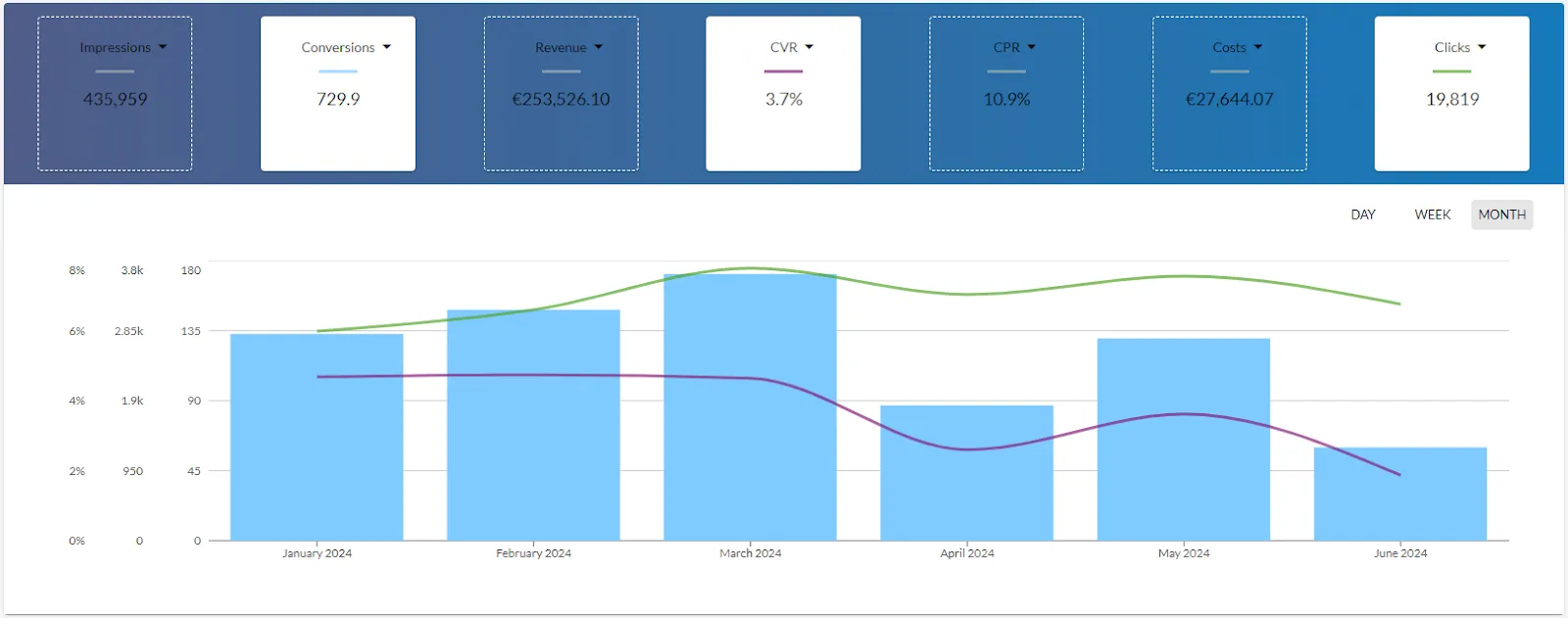
Limitations: Implementing a Consent Management Platform (CMP) can significantly impact your data tracking capabilities. For instance, after one of our clients implemented a CMP in March, their conversion rate dropped from a consistent 4.7% to less than 3.0%, despite an increase in the number of clicks. This drastic reduction in tracked data illustrates the challenge: users rejecting non-essential cookies and technical blockers can severely inhibit cookie tracking. As a hotelier, this means it becomes much harder to measure campaign performance accurately, complicating your ability to gauge the true effectiveness of your marketing efforts.

2. Session Tracking

Session tracking keeps track of a user’s activities and preferences during their visit to a website. Methods of session tracking include:

  • Cookies: Store a session identifier linking user actions to a session on the server.
  • URL Rewriting: Appends a session ID to the URL of each page request.
  • Hidden Form Fields: Store session data within hidden fields of web forms.
  • Server-Side Storage: Keeps session information on the server, linked to a session ID.

Limitations: Session tracking is limited to the duration of a single visit. Especially when addressing users over multiple touchpoints and handling the checkout on a separate domain, a session alone won’t fill the gap left by blocked third-party cookies completely. This can lead to fragmented data and an incomplete understanding of user behaviour across their entire journey.

3. Fingerprinting

Fingerprinting identifies and tracks users across websites based on unique characteristics or attributes of their device or browsing behaviour. This technique gathers data for targeted advertising, personalization, and analytics purposes but raises significant privacy concerns.

Conclusion

Understanding and utilising tracking technologies is essential for hotels aiming to increase direct bookings and optimise their marketing efforts. By leveraging tools like cookies, session tracking, and various pixels, hoteliers can gain valuable insights, personalise guest experiences, and make data-driven decisions that enhance their revenue and guest satisfaction. In upcoming articles, we will delve deeper into the differences and challenges faced by providers such as Google, Facebook, and others, and share the solutions we are developing to overcome these obstacles. Stay tuned to learn more about how to navigate the evolving landscape of digital marketing effectively!

Tracking Technologies in the Hospitality Industry

In the world of hospitality, staying ahead of the competition means harnessing the power of data. From driving direct bookings to enhancing the guest experience, tracking technologies have become essential tools for hoteliers looking to optimise every aspect of their business.

In our last post, we explored the crucial role tracking technologies play in the hospitality industry, transforming guesswork into actionable insights. We discussed how tracking helps hotels measure marketing effectiveness, understand customer behaviour, and drive more direct bookings through tools like cookies, session tracking, and fingerprinting.

Now, it’s time to dive even deeper. In this post, we’ll break down specific tracking pixels and web analytics tools, revealing how they work and the unique advantages they offer for optimising your hotel’s marketing strategy. Ready to take your marketing strategy to the next level? Let’s get started!

1. UNO Demand Booster Pixel

The UNO Demand Booster pixel, embedded on the confirmation page of the Internet Booking Engine (IBE), tracks clicks on links and conversions from metasearch campaigns (e.g., Trivago, TripAdvisor, Kayak). It utilises cookie-based tracking with a 30-day window and session-based tracking without requiring consent.

Objective: Demonstrate the performance and profitability of individual marketing campaigns.
Limitations: Challenges with cross-device and cross-channel interactions, and cookie blockers.

2. Google Pixel

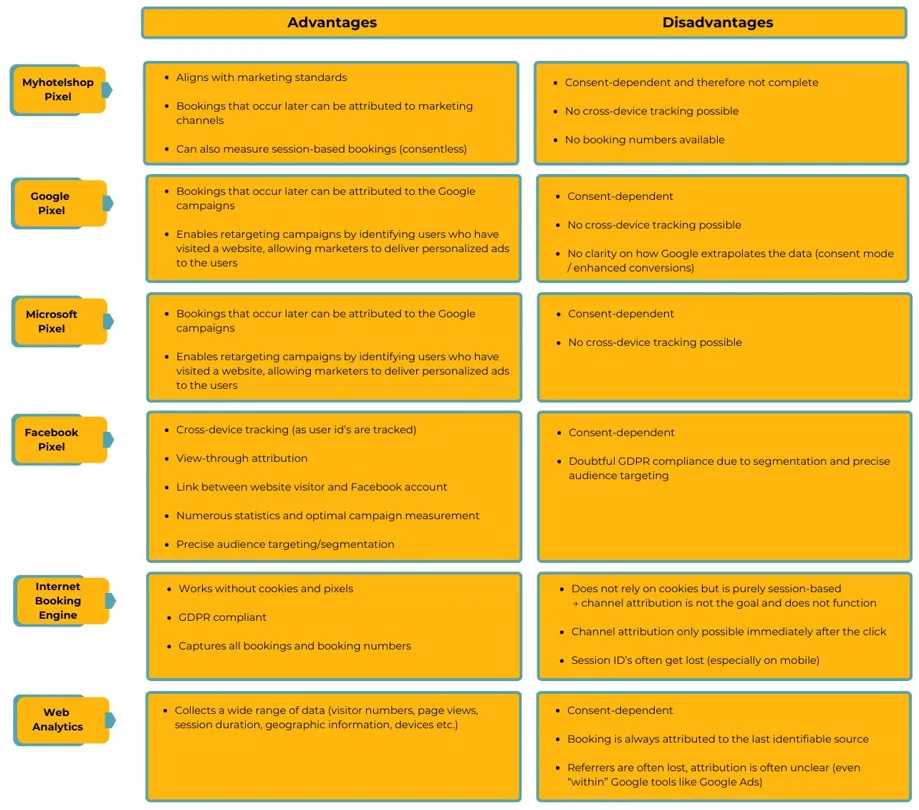
Implemented on the website and confirmation page of the IBE, the Google pixel tracks clicks, conversions, and other interactions such as ad calls. Google sets cookies whenever a user clicks on an ad, with a 30-day cookie window. This means that if a conversion occurs within 30 days of the click, it will be attributed to Google. In addition, Google places a cookie when a user views (without clicking or interacting) a display ad or video. The cookie window for this is one day, so any conversion within 24 hours of viewing the ad will be attributed to Google. Google extrapolates data by using Google Consent Mode and Enhanced Conversions. However it is very unclear for the advertiser how exactly Google extrapolates data.

Objective: Measure the performance and profitability of Google campaigns.
Limitations: Similar to the myhotelshop pixel, it faces issues with cross-device interactions and cookie blockers.

3. Microsoft Pixel

Similar to the Google pixel, the Microsoft pixel is used on the website and IBE confirmation page to track clicks and conversions, with a 30-day cookie window.

Objective: Assess the performance and profitability of Microsoft campaigns.
Limitations: Faces the same challenges with cross-device interactions and cookie blockers.

4. Facebook Pixel

This pixel links user behaviour on the website to Facebook profiles, collecting data to track conversions and assist in social media marketing. It uses a unique ID for each ad account. Facebook considers conversions within a specific time frame after a user interacts with an ad. The default attribution window is 7-day click and 1-day view. Facebook can track users across multiple devices to attribute conversions more accurately. Advanced algorithms are used to estimate the likelihood of conversions, especially for view-through attributions. So in general like we see with other big tech players like Google, it is very unclear for the advertiser how exactly data is being extrapolated.

Objective: Evaluate the performance and profitability of social media campaigns, maximising attribution for this channel.
Limitations: Cookie rejecters and blockers can limit tracking effectiveness.

5. Internet Booking Engine (IBE)

The IBE measures bookings, overnight stays, and revenue within a specific timeframe, providing data on booked rates and room types. It uses parameters in the URL to track the source of bookings. However, correct campaign allocation is usually not the main purpose of IBE tracking. It is therefore not suitable for measuring campaign performance standalone.

Objective: Measure marketing revenue and understand the performance of different channels.
Limitations: Bookings made at a later time through different sources without the parameter in the URL cannot be attributed to the original source.

6. Web Analytics (Google Analytics 4 and Matomo)

Web analytics tools like Google Analytics 4 and Matomo analyse website performance, providing insights into user navigation, page views, and traffic sources. They use cookie-based tracking and attribute transactions to the last identifiable source. There are cookieless or server side technologies available to improve data quality. This involves more effort and usually costs. The use must be questioned on a case-by-case basis.

Objective: Analyse user behaviour and flow on a website to optimise performance.
Limitations: Attributions can be skewed if users return through different sources for booking.

A balanced look at the different tracking solution:

Effective tracking of user data and campaign performance is essential for hotels to make informed decisions and refine their marketing strategies. From tracking pixels by myhotelshop, Google, Microsoft, or Facebook to booking engines and web analytics, each technology offers its own strengths and challenges. Choosing the right tool can significantly impact a hotel’s ability to drive long-term success. However, it’s equally important to recognise the limitations of these technologies, particularly in light of evolving privacy regulations and customer expectations.

Currently, each tracking pixel operates independently, with the goal of maximising revenue for its respective channel. This can create challenges when users interact with multiple touchpoints (such as Trivago, Google Ads, or Facebook), as each pixel might attribute the same booking to its channel, leading to overlapping data.

Server-Side Tracking (SST) offers a solution by providing a unified tracking system across all channels. SST not only creates transparency by displaying booking IDs but also prevents duplicate bookings, ensuring more accurate data attribution and reporting.

To learn more about how SST can transform your tracking and marketing efforts, stay tuned for our next blog post!

Server-Side Tracking (SST) – The Future of Accurate and Transparent Data Collection

In our previous blog posts, we explored how tracking technologies shape the hospitality industry, helping hoteliers make informed marketing decisions. We also highlighted the strengths and limitations of various tracking pixels and web analytics tools. Now, it’s time to introduce a game-changer: Server-Side Tracking (SST).

What is Server-Side Tracking?

SST provides a more reliable way to collect visitor data by using a direct server-to-server connection, instead of relying on third-party services like Google, Microsoft, or Meta (Facebook). This solution is especially valuable in today’s digital landscape, where cookie restrictions and privacy regulations are making traditional tracking methods less effective.

How does Server-Side Tracking work?

Unlike client-side tracking, where data is processed in the browser and can be blocked by privacy settings or ad blockers, SST collects data directly from the server. This means that user interactions are recorded without interference from browser limitations, providing hoteliers with more accurate and transparent data.

Key benefits of Server-Side Tracking

  • More accurate data: SST bypasses browser limitations and blockers, ensuring that conversions and user interactions are captured reliably.
  • Privacy-friendly tracking: Since SST reduces reliance on browser-based technologies, it aligns better with evolving privacy regulations and cookie-less environments.
  • Consentless tracking within a session: While respecting privacy laws, SST allows tracking without requiring user consent for session-based data collection.
  • Transparent attribution: SST allocates booking numbers to campaigns, providing a clear picture of marketing performance and helping to build trust with clients.
  • Better customer journey insights: It enables hoteliers to track the sequence of interactions – such as a user clicking on a Google Ads campaign first and then a Trivago ad – offering valuable insights into multi-channel behaviour.

Challenges & limitations of Server-Side Tracking

  • Infrastructure complexity: Implementing SST requires setting up a dedicated server environment, making it more complex and costly than traditional tracking solutions.
  • Dependencies on multiple stakeholders: Proper implementation requires coordination between clients, IBE providers, and website agencies, which can slow down adoption.
  • No cross-device tracking: When avoiding fingerprinting technologies for privacy reasons, SST cannot track users across multiple devices, meaning conversions from different platforms may not be fully attributed.
  • No view-through attribution: Since SST tracks direct interactions (clicks and landing pages), it cannot measure conversions based on ad views—a key limitation for social media campaigns where users engage passively.

Why Server-Side Tracking outperforms Google & other third-party tracking

  • Data transparency: Unlike Google, which extrapolates data by adding estimated conversions based on consent rejection rates, SST only records real, verified conversions.
  • Deduplication of conversions: Traditional tracking often results in double attribution – for example, if a user clicks on a trivago campaign first and later a Google Ads campaign, both platforms claim credit for the conversion. With SST, only the last-clicked campaign gets the attribution, ensuring a more accurate report.
  • Closing the gap: SST can also measure without 3rd party cookies and thus despite blockers. This usually allows more bookings to be attributed.

East Hamburg: Promising first results for Server-Side Tracking

A real-world example of SST’s impact comes from East Hamburg, where SST was activated in November 2024. Since implementation, the hotel has seen continuous month-over-month improvements in conversion rates. Also, a direct comparison between SST and Google tracking revealed that SST tracks significantly more revenue, for example +38% revenue in January 2025.

The future of tracking in hospitality

Once fully rolled out, SST has the potential to become the single, unified tracking solution for all channels – including both paid (Demand Booster campaigns) and organic channels. This would eliminate fragmented reporting, providing hotels with a clear and accurate picture of their marketing performance.

However, due to its limitations, SST is not suitable for paid social media campaigns, where view-based conversions play a critical role. Given that social media engagement is often passive and mobile-driven, SST cannot capture non-click interactions effectively.

With privacy regulations tightening and traditional tracking becoming less reliable, SST offers a future-proof alternative for hotels seeking transparency and accuracy in their marketing attribution. By implementing SST, hoteliers can gain clear insights into campaign performance, avoid duplicated conversions, and build stronger data-driven strategies.

In conclusion, we hope this article has shed some light on the importance of Server-Side Tracking in the hospitality industry. For a deeper understanding of its impact, be sure to check out our next article, when we will take an in-depth look at the case of the East Hotel Hamburg. We’ll analyze the impressive numbers and insights that highlight the effectiveness of this tracking method. Stay tuned for more valuable information!

Travelling has always been a window to the world, a means to experience new cultures, landscapes, and perspectives. However, each generation has its own unique way of exploring. Gen Z, born roughly between 1997 and 2012, is no different. With their distinct values, technological prowess, and social consciousness, they are redefining what it means to travel in the 21st century. Let’s dive into how Gen Z is changing the travel landscape.

Tech-Savvy Travelers

Gen Z has grown up with technology at their fingertips. From smartphones to social media, they are experts at using tech to enhance their travel experiences. They rely heavily on apps for everything—from booking flights and accommodations to finding local hotspots and translating languages. Instagram, TikTok, and YouTube serve as major sources of travel inspiration, with influencers and travel bloggers guiding their destinations and activities.

Sustainable and Ethical Travel

Sustainability is a significant concern for Gen Z travelers. They are more aware of the environmental impact of their travels and prefer eco-friendly options. This generation opts for sustainable accommodations, supports local businesses, and seeks out destinations that prioritize environmental conservation. Gen Z is also inclined towards ethical travel, avoiding places that exploit animals or local communities. This ethical mindset has contributed to a decline in Airbnb bookings among younger travelers, as they are increasingly concerned about the platform’s impact on local housing markets and the ethical practices of hosts.

Immersive and Authentic Experiences

Unlike the previous generations who might have been content with sightseeing and visiting popular tourist spots, Gen Z craves authenticity. They want to immerse themselves in the local culture, try regional cuisines, and interact with residents. This desire for genuine experiences often leads them off the beaten path, away from crowded tourist destinations, and into less-explored locales.

Budget-Conscious Yet Quality-Oriented

While Gen Z is often budget-conscious, they are not willing to compromise on quality. They are savvy about finding the best deals and using budget-friendly travel hacks, but they also seek value for money. Hostels, alternatives to Airbnb, and budget airlines are popular choices, yet they still look for places that offer a unique and comfortable experience. The rising costs and ethical concerns associated with Airbnb have driven Gen Z to explore other affordable yet high-quality accommodation options.

Solo and Adventure Travel

Solo travel is particularly appealing to Gen Z. Many in this generation see travelling alone as a means of self-discovery and independence. Adventure travel also ranks high, with activities like hiking, scuba diving, and exploring remote regions being popular choices. The thrill of stepping out of their comfort zone and tackling new challenges is a significant draw.

Digital Nomad Lifestyle

The digital nomad lifestyle is becoming increasingly attractive to Gen Z. With the rise of remote work opportunities, they can work from anywhere in the world. This has led to a surge in long-term travel, where work and exploration go hand in hand. Destinations that cater to digital nomads, offering coworking spaces and strong internet connectivity, are particularly appealing.

Focus on Wellness and Self-Care

Gen Z places a strong emphasis on mental and physical well-being. Travel for them is not just about seeing new places but also about self-care and rejuvenation. Wellness retreats, yoga and meditation centres, and spa destinations are often on their itineraries. They look for experiences that offer relaxation and a break from the fast-paced digital world.

Social Media Influence

Social media plays a significant role in Gen Z’s travel decisions. Destinations and experiences often go viral on platforms like Instagram and TikTok, shaping the travel trends of this generation. They not only seek to capture and share their travels but also rely on peer reviews and real-time recommendations from their online networks.

What Hoteliers Need to Know

To cater to Gen Z travellers, hoteliers must adapt to their preferences. This generation values tech integration, so ensuring seamless digital experiences with fast Wi-Fi, mobile check-in, and smart room technology is crucial. Sustainability is also key; highlight eco-friendly practices, from energy-efficient lighting to locally sourced products. Authenticity is important, so offer unique, local experiences and cultural immersion activities. Maintain a strong presence on social media platforms to attract and engage these travellers. While budget-conscious, Gen Z doesn’t want to compromise on quality, so provide affordable yet comfortable options. Wellness amenities like gyms, spas, and healthy dining options will appeal to their focus on self-care. Lastly, flexible spaces for socialising and quiet work will attract digital nomads.

The Future of Travel: Shaped by Gen Z

Gen Z’s approach to travel is a reflection of their values, technological integration, and desire for meaningful experiences. They are not just travellers; they are explorers, digital nomads, and conscious consumers who are reshaping the travel industry. As this generation continues to come of age, their preferences and behaviours will undoubtedly continue to influence and transform the way we all see the world. Whether it’s through a lens of sustainability, authenticity, or digital connectivity, Gen Z is paving the way for a new era of travel.

In today’s competitive hospitality industry, increasing direct bookings is essential for maximising revenue and maintaining control over the guest experience. To help your hotel achieve this, consider these effective strategies:

Mastering Meta Search for Maximum Visibility

Visibility KPIs

Understanding and optimising visibility key performance indicators (KPIs) is essential for improving your hotel’s online presence. The key metrics to focus on are:

  1. Top Impression Share (TIS): This measures your visibility across the top four ad positions (2nd, 3rd, and 4th positions). It indicates how frequently your hotel appears in these spots when users search for accommodation.
  2. Absolute Top Impression Share (ATIS): This metric tracks how often your hotel appears in the first ad position.

To optimise these metrics, aim for the “sweet spot” where your visibility is high enough to attract qualified traffic without attracting unqualified clicks. Position 1 is particularly powerful due to the psychological tendency of users to click on the first result.

Beatshare

Beatshare indicates your hotel’s competitive pricing. For example, a Beatshare of 70% means your hotel’s website offers the lowest price 70% of the time compared to competitors. Consistently offering the best rates and displaying real-time availability and prices can significantly enhance your direct booking rates.

Superior SEA Strategies for High-Impact Ads

It’s crucial that your hotel ads stand out and attract potential guests. By employing effective SEA strategies, you can maximize the visibility of your ads and draw the attention of travelers to your hotel. Here are some proven methods to incorporate into your SEA strategies:

  1. Visual Appeal: Use current and attractive images in your ads to capture attention.
  2. Detailed Descriptions: Provide precise and detailed descriptions of your hotel, rooms, and special offers.
  3. Exclusive Offers: Highlight exclusive deals and discounts on your website.
  4. Remarketing Campaigns: Retarget visitors who have previously visited your site but did not book.
  5. Varied Ad Types: Utilise different ad formats, such as Dynamic Search Ads (DSA), remarketing, and generic ads.
  6. Comprehensive Keywords: Use a wide range of tailored and relevant keywords to improve search ad effectiveness.

Creating Incentives for Direct Bookings

Direct bookings are invaluable for hotels, as they lead to higher revenue and stronger customer relationships. To encourage guests to book directly with you, offer appealing incentives and ensure a seamless booking process. These strategies can help:

  1. Additional Amenities: Offer extras for direct bookers, such as free breakfast, late check-out, or a welcome gift. These perks can tip the scales in favour of booking directly.
  2. Transparent Booking Processes: Ensure your website is user-friendly with an intuitive booking system. Fast load times and mobile optimisation are critical.
  3. Positive Reviews and Testimonials: Display glowing reviews and testimonials prominently on your website to build trust and credibility.

Leveraging Social Media for Direct Bookings

Social media provides an excellent platform to boost your hotel’s visibility and increase direct bookings. By implementing the right strategies, you can fully leverage the power of social media:

  1. Direct Booking Links: Incorporate direct booking links in your social media posts and email newsletters.
  2. Engaging Content: Create engaging content that showcases your hotel’s unique offerings and highlights special promotions.

By using these strategies, you’ll see a boost in direct bookings, less reliance on third-party platforms, and improved profitability for your hotel. Prioritise visibility, competitive pricing, compelling advertisements, and a smooth booking process to attract and keep guests booking directly on your website. Partners like UNO Demand Booster can further assist in achieving your visibility goals and optimising your online presence.

In today’s competitive hospitality industry, increasing direct bookings is essential for maximising revenue and maintaining control over the guest experience. To help your hotel achieve this, consider these effective strategies:

Mastering Meta Search for Maximum Visibility

Visibility KPIs

Understanding and optimising visibility key performance indicators (KPIs) is essential for improving your hotel’s online presence. The key metrics to focus on are:

  1. Top Impression Share (TIS): This measures your visibility across the top four ad positions (2nd, 3rd, and 4th positions). It indicates how frequently your hotel appears in these spots when users search for accommodation.
  2. Absolute Top Impression Share (ATIS): This metric tracks how often your hotel appears in the first ad position.

To optimise these metrics, aim for the “sweet spot” where your visibility is high enough to attract qualified traffic without attracting unqualified clicks. Position 1 is particularly powerful due to the psychological tendency of users to click on the first result.

Beatshare

Beatshare indicates your hotel’s competitive pricing. For example, a Beatshare of 70% means your hotel’s website offers the lowest price 70% of the time compared to competitors. Consistently offering the best rates and displaying real-time availability and prices can significantly enhance your direct booking rates.

Superior SEA Strategies for High-Impact Ads

It’s crucial that your hotel ads stand out and attract potential guests. By employing effective SEA strategies, you can maximize the visibility of your ads and draw the attention of travelers to your hotel. Here are some proven methods to incorporate into your SEA strategies:

  1. Visual Appeal: Use current and attractive images in your ads to capture attention.
  2. Detailed Descriptions: Provide precise and detailed descriptions of your hotel, rooms, and special offers.
  3. Exclusive Offers: Highlight exclusive deals and discounts on your website.
  4. Remarketing Campaigns: Retarget visitors who have previously visited your site but did not book.
  5. Varied Ad Types: Utilise different ad formats, such as Dynamic Search Ads (DSA), remarketing, and generic ads.
  6. Comprehensive Keywords: Use a wide range of tailored and relevant keywords to improve search ad effectiveness.

Creating Incentives for Direct Bookings

Direct bookings are invaluable for hotels, as they lead to higher revenue and stronger customer relationships. To encourage guests to book directly with you, offer appealing incentives and ensure a seamless booking process. These strategies can help:

  1. Additional Amenities: Offer extras for direct bookers, such as free breakfast, late check-out, or a welcome gift. These perks can tip the scales in favour of booking directly.
  2. Transparent Booking Processes: Ensure your website is user-friendly with an intuitive booking system. Fast load times and mobile optimisation are critical.
  3. Positive Reviews and Testimonials: Display glowing reviews and testimonials prominently on your website to build trust and credibility.

Leveraging Social Media for Direct Bookings

Social media provides an excellent platform to boost your hotel’s visibility and increase direct bookings. By implementing the right strategies, you can fully leverage the power of social media:

  1. Direct Booking Links: Incorporate direct booking links in your social media posts and email newsletters.
  2. Engaging Content: Create engaging content that showcases your hotel’s unique offerings and highlights special promotions.

By using these strategies, you’ll see a boost in direct bookings, less reliance on third-party platforms, and improved profitability for your hotel. Prioritise visibility, competitive pricing, compelling advertisements, and a smooth booking process to attract and keep guests booking directly on your website. Partners like UNO Demand Booster can further assist in achieving your visibility goals and optimising your online presence.