The Rise of Bleisure

Bleisure is not just a fleeting trend. As the lines between work and leisure become increasingly blurred, especially in the age of remote work and digital nomadism, more and more business travellers are seizing the opportunity to inject a bit of fun into their work trips. After a series of meetings in a new city, why not extend the stay and explore what the place has to offer?

Factors like changing workforce demographics, technological advancements, and an increasing emphasis on work-life balance have catalysed the growth of Bleisure.

Implications for Hotels

  • Rethink Guest Services: Traditional business travellers have different needs than leisure travellers. But Bleisure travellers? They’re a unique mix. Hoteliers might need to offer services that cater to both segments. Think workspace solutions, but also tour bookings.
  • Flexible Packages: Offering packages that allow guests to extend their business stay at discounted rates can be enticing. Perhaps throw in an exclusive city tour or a spa package for those who decide to turn their trip into a Bleisure stay.
  • Local Experiences: Bleisure travellers often seek local experiences. Collaborate with local businesses, artists, or tour guides to provide authentic experiences that these travellers crave.
  • Revamped Marketing Strategies: Tailor your marketing campaigns to highlight the dual benefits of staying at your hotel for both business and leisure purposes. Showcase not just the amenities but also the experiences.
  • Feedback & Personalisation: Understand the specific needs of Bleisure travellers through feedback. Personalised services, like custom itineraries or work-leisure balance offers, can be developed based on insights gathered.

Maximising the Bleisure Opportunity

For hoteliers, the rise of Bleisure presents a golden opportunity. Not only does it mean potential extended stays, but it also allows for the cross-selling of services. A guest might need a conference room during the day but could be interested in a city tour in the evening.

Furthermore, Bleisure travellers can serve as brand ambassadors. A positive Bleisure experience might lead them to choose the same hotel for a pure leisure trip in the future or recommend it within their professional network.

In Conclusion

The world of travel is dynamic, with trends like Bleisure transforming the landscape. For forward-thinking hoteliers, adapting to these changes is not just a necessity, but an opportunity. By understanding and catering to the unique needs of Bleisure travellers, hotels can carve a niche for themselves in this burgeoning segment, ensuring sustained growth and brand loyalty.

Keep up with the times, embrace Bleisure, and watch as your hotel becomes the go-to destination for the modern traveller!
Why a positive reputation on the Internet is important for hotels

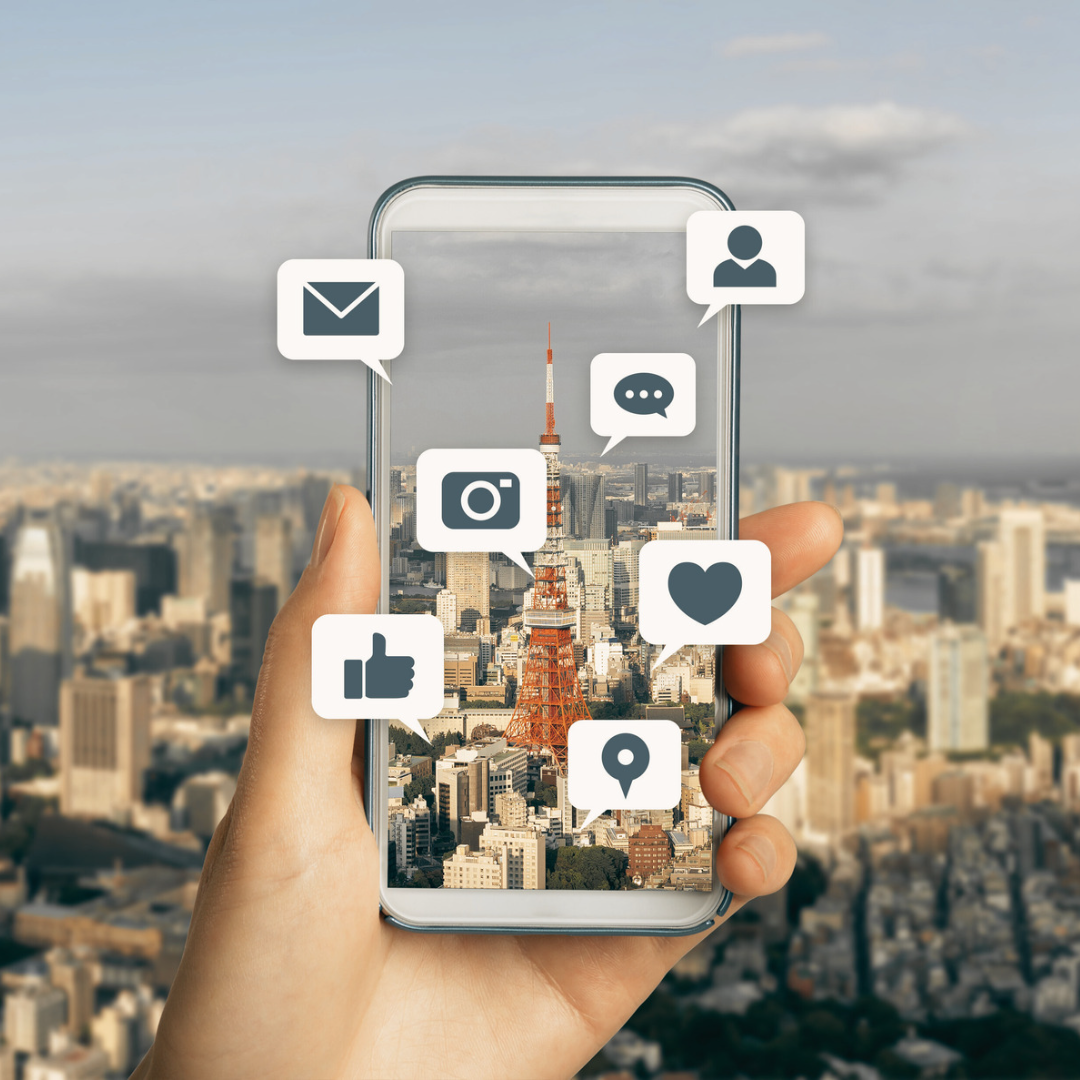
Compared to other consumers, travellers do not have the opportunity to try an accommodation before booking. As the Internet makes it possible to share feedback about a hotel stay with the world, online reputation becomes a powerful sales and marketing tool.

“Reviews are relevant” and “trust in them is high,” Tripadvisor says in reference to its own study on online reviews. According to the study, 81 percent of potential guests always or often read reviews before booking accommodation. And: 79 percent are more likely to book a hotel with a higher rating and 52 percent would never choose a hotel without a rating. According to the study, 78 percent of respondents read the most recent feedback.

These numbers paint a clear picture: guest reviews and feedback are critical. They should be an integral part of your marketing and sales strategy. A stellar online reputation not only builds trust in your brand but also spotlights your hotel’s quality, setting you apart from the competition

6 tips for successful online reputation management

In the long term, a positive online reputation can increase the visibility of your hotel, strengthen the bond with your guests and lead to more bookings. Online reputation management (ORM) is a way to manage your online reputation. It involves checking review sites, getting feedback from guests, and responding to reviews. Responding to feedback makes your guests feel appreciated and more likely to come back.

Key actions to consider in your ORM strategy:

1. Check review portals and respond to guest feedback

Check reviews about your hotel regularly on major review platforms such as TripAdvisor, Booking.com and Google Reviews to learn what guests are saying about your hotel. Social listening tools help you find reviews about your hotel. This will help you keep track of what guests think and respond quickly to both positive and negative guest experiences. Show your appreciation for their valuable input and show that you respect their thoughts and opinions. In case of negative feedback, it is important to apologise and offer solutions.

2. Be active on social media

Social media is becoming increasingly important as a source of information for travellers, and users expect a hotel to provide up-to-date information and interact with its guests. If you don’t keep up with your social media channels and audiences, guests can quickly lose interest in your hotel. Be engaged, listen to your guests, respond to feedback and build a loyal audience.

3. Improve your hotel offering continuously

Feedback from your guests can help you keep improving your hotel and amenities. This will show that your hotel is responsive to guests’ needs, desires and suggestions for improvement.

4. Encourage your guests to leave a review

Actively encourage your guests to leave reviews. For example, you can address them personally at check-out or send them an email after their stay with words of thanks for visiting the hotel. You should always share positive reviews on your social media channels to encourage others to. Also, share positive reviews on your social media channels to leave a review of their own.

A good idea would be to start with a feedback survey before asking for a guest review. Find out how satisfied your guests were with their stay at your hotel. This will give you honest feedback and give your team a chance to address any issues before submitting a public online review. Share positive reviews on your social channels to inspire others to chime in.

5. Present your hotel online in a positive way

Keep your hotel website and social media presence up to date – with high-quality photos as well as understandable information and a smooth, straightforward booking process. Offer various contact options such as email, phone, messenger, and live chat so that your website visitors can easily connect with you.

6. Optimise your hotel website for search engines

Follow best SEO practices when designing and creating content for your hotel website, such as providing user-friendly navigation, placing information such as accommodation rates and availability so that it is easy to find, using keywords relevant to your target audiences, optimising your website for mobile devices, and targeting content so that your website appears high in search results. It’s important to continuously work on your hotel’s visibility online and provide a positive user experience for your website visitors. A well-thought-out SEO strategy is an essential component of your online reputation.

Your online reputation holds the key to attracting guests and boosting bookings. To succeed, actively monitor reviews, engage with feedback, make improvements, maintain a strong online presence, and encourage guests to share their experiences. By doing so, you can craft a positive hotel image that drives more bookings and keeps guests coming back for more.

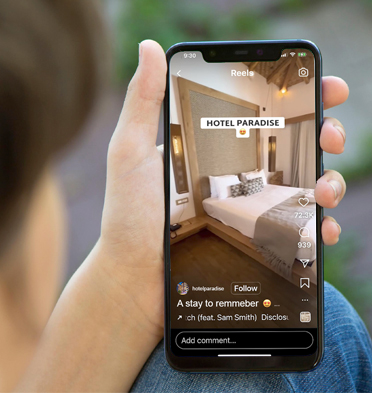
In this article, we’ll dive into why video content is the superstar of hotel advertising. It’s not just about getting noticed; it’s about captivating potential guests, flaunting your hotel’s amenities, and whisking them away into immersive experiences.

1. The Visual Vibe

In today’s fast-paced world, visuals speak volumes. With people swiping through options at lightning speed, hotels need to catch their eye quickly. Enter video – a powerhouse of engagement. It blends moving images, music, and storytelling to create a captivating experience that static text can only dream of.

2. Hook, Line, and Video

Online information overload makes it a challenge to grab and keep anyone’s attention. But videos? They’re attention magnets. They draw viewers in right from the start and keep them on your website longer. That’s like an open invitation to explore your hotel.

3. Amenity Showdown

Videos are your hotel’s show-and-tell champions. From virtual tours of rooms and common areas to tantalising glimpses of dining and spa experiences, videos showcase your hotel’s personality. Potential guests get a sneak peek of what’s in store before they even book. Do you have an amazing spa? Great views? A lovely garden? Tempt guests by showing them your best feature.

4. Immersive Experiences

Hotels are all about creating unforgettable experiences. Videos can set the stage even before guests check-in. Imagine your hotel’s experience from a guest’s point of view and share it with the world. Beautiful shots of your hotel’s surroundings, nearby attractions, and heartfelt stories from past guests can build anticipation and excitement.

5. Social Media Magic

Videos are social media’s best friends. After all, 83% of travellers book a hotel after seeing images or videos from one of their followers on social media, and videos keep people engaged for a longer time. They’re easily shareable and have the power to go viral. When your guests start sharing those engaging videos, your brand gets a free ride on the viral train.

6. TikTok Takes the Stage

TikTok is where the younger generations hang out, and hotels can totally join the party. By whipping up short, engaging videos on TikTok and folding them into your marketing strategy, you can tap into a trendy, youthful audience. Show off your special offers, culinary delights, or upcoming events with the right hashtags and trends, and watch your reach soar.

At Tik Tok you can boost engagement and whisk potential guests armed only with a mobile phone, a sense of humour and a finger on the pulse.

In conclusion, video marketing isn’t just a tool; it’s the secret sauce in hotel advertising. It’s the key to catching potential guests’ attention, showcasing your hotel’s awesomeness, and creating experiences that linger in their minds. Hotels that master the art of video marketing can rise above the competition and win the hearts of potential guests.

Paid search campaigns are crucial to the success of your business in the digital age. While there’s an array of optimization techniques out there, focusing on three fundamental strategies can significantly change your campaign’s impact.

  • Keyword Mastery: Keywords are the building blocks of effective paid search campaigns. Begin by meticulously researching and selecting keywords that align with your business and resonate with your audience. Go beyond the obvious and consider long-tail keywords, which often have less competition and can deliver more targeted clicks. Continuously monitor keyword performance and adjust your strategy as trends and customer behaviours evolve. Remember, precision beats volume when it comes to keywords.
  • Compelling Ad Copy: Your ad copy is your campaign’s front door, the first impression that can either entice or deter potential customers. Craft engaging, concise, and relevant ad copy with your unique value proposition in mind. Incorporate your selected keywords naturally into your copy, while addressing the needs and desires of your target audience. Don’t shy away from A/B testing different variations to uncover which resonates best. Ensure that your ad copy remains fresh and engaging by continuously refining it based on real-time insights.
  • Landing Page Excellence: A compelling ad can only take you so far. Once you’ve intrigued your audience, your landing page becomes the critical point of conversion. You should ensure that your landing page aligns seamlessly with your ad’s promise, ensuring a smooth and relevant user experience. Keep it clutter-free, easy to navigate, and optimised for mobile devices. Load speed matters – a slow page can lead to frustrated visitors and missed opportunities. Optimize your landing page’s performance by regularly analyzing its performance and making necessary adjustments.

By perfecting these three key optimizations, you’re setting the stage for a paid search campaign that not only thrives but also stands out among the digital noise. Remember, paid search success isn’t just about throwing money into campaigns; you need to refine your strategy, adapt continuously, and connect authentically with your audience to achieve it. As you embark on this journey, keep a keen eye on these optimizations, and watch your paid search campaigns soar to new heights.

As technology continues to evolve, it has become an integral part of our lives, transforming the way we do business and engage with various industries. The hospitality sector is no exception, with hotels embracing cutting-edge technologies to enhance guest experiences, streamline operations, and remain competitive. A few years ago, we couldn’t have imagined how the future of hotel technology would revolutionise the industry in ways we can’t yet even imagine.

1. Artificial Intelligence and Personalization:

Artificial Intelligence (AI) will play an increasingly important role in shaping hotel stays in the future. Chatbots offering instant customer service and AI-driven analytics that analyse guest preferences are just some of the ways AI will allow hotels to offer personalised experiences like never before. Imagine walking into a hotel room where the lighting, temperature, and entertainment options are all tailored to your preferences without any manual adjustments.

2. Internet of Things (IoT) Connectivity:

With the Internet of Things, hotels are about to become smart, interconnected spaces. The features of your room could be controlled by your smartphone, or your room could know when you will arrive and adjust settings accordingly. Guests will have the ability to control everything from the room temperature to the TV channels through the Internet of Things.

3. Contactless Technology:

As a result of the global pandemic, hotels have adopted contactless technologies more rapidly. Guests are increasingly using mobile check-ins and digital keys, minimising physical touchpoints and improving their experience. The use of contactless payment systems and voice-activated controls is also expected to increase, ensuring a safer and more efficient stay.

4. Virtual Reality (VR) and Augmented Reality (AR):

VR and AR have the potential to transform how guests explore and interact with hotels even before their arrival. Imagine taking a virtual tour of a hotel’s amenities, exploring room options, and even visualising local attractions. These technologies will provide a more immersive booking experience and help guests make more informed decisions.

5. Sustainability and Energy Efficiency:

As environmental concerns take centre stage, hotels are investing in technology to reduce their carbon footprint. Energy-efficient lighting, smart HVAC systems, and water-saving solutions are just the beginning. Some hotels are even experimenting with renewable energy sources and utilising data analytics to optimise resource consumption.

6. Robotics and Automation:

The hospitality industry is embracing robots, whether it’s robotic concierges or automated room service. By automating repetitive tasks, human staff can focus on providing more personalised services. The warmth of human interaction won’t be replaced by robots, but they will enhance efficiency undoubtedly.

7. Data Security and Privacy:

With the increased reliance on technology comes the importance of safeguarding guest data. Guests’ privacy and cybersecurity are prioritised in the future of hotel technology, which includes advanced cybersecurity measures.

In conclusion, the future of hotel technology is incredibly promising, ushering in a new era of convenience, personalization, and sustainability. As AI, IoT, contactless tech, VR/AR, and other innovations continue to evolve, hotels will have the opportunity to redefine guest experiences and operational efficiency. As the hospitality industry embraces these technological advancements, we are on the verge of a revolution that will reshape the way we travel and stay.

Whether it’s personalised experiences powered by AI or eco-friendly practices facilitated by IoT, the future of hotel technology is set to provide guests with a level of comfort, convenience, and excitement that was once considered the stuff of science fiction. The only question that remains is: are you ready to check in to the future?

For hotels and hoteliers today, a strong digital footprint is no longer a luxury, but a necessity. Increasingly, travellers are using online platforms to research, compare, and book accommodations. One of the key components of a successful digital footprint is content marketing. As we discuss in this article, hotels and hoteliers must have a strong digital footprint when it comes to marketing, and content plays a critical role in this process.

  • Building Brand Awareness and Visibility: Hotels can enhance their visibility in a highly competitive market by creating a well-crafted digital footprint. Content that engages and informs potential guests, shared through various online channels, helps them discover and connect with your brand, and delivering valuable content that showcases your hotel’s unique offerings can help you stand out from your competitors.
  • Establishing Trust and Credibility: A robust digital footprint builds trust and credibility in the minds of potential guests. Establish your hotel as an industry authority by providing high-quality content that educates, entertains, and addresses their needs. You can build trust with your audience by sharing your expertise, providing insights into local attractions, and sharing helpful travel tips through blog posts, articles, and social media content.
  • Driving Organic Traffic and SEO Success: A strong digital footprint contributes to improved search engine optimization (SEO) results, driving organic traffic to your website. In order to appear in search engine results for relevant queries, you should produce content that is relevant and optimised, such as blog articles and destination guides. You can attract qualified guests who are actively seeking accommodations as your organic visibility increases.
  • Engaging and nurturing customers: Content marketing allows hoteliers to engage and nurture their customers throughout their journey. With a variety of content formats, including videos, interactive experiences, and user-generated content, you can appeal to a variety of audience preferences. It can assist guests from the point of inspiration to the point of booking, from inspiring travel stories to virtual tours and personalised recommendations.
  • Enhancing your social media presence: A solid digital footprint gives you the platform to engage with your audience and amplify your brand messages. Using social media channels to share compelling content can spark conversations, encourage user-generated content, and cultivate brand advocates. All of these options help extend your reach and drive bookings on social media platforms, including interactive content, live streaming, and influencer collaborations.

Establishing a strong digital footprint for hotels and hoteliers is crucial in today’s increasingly digital world. The foundation of this digital presence is content marketing, which enables hotels to build brand awareness, establish trust, drive organic traffic, engage potential guests throughout their journey, and amplify their social media presence. In an industry that is highly competitive, hoteliers can succeed by embracing content marketing as a strategic tool for attracting travellers, driving bookings, and creating lasting relationships with their guests.

In today’s digital age, hoteliers face fierce competition when it comes to attracting and securing bookings. With travellers increasingly relying on online platforms to search for accommodations, it has become crucial for hoteliers to leverage powerful marketing tools to stand out from the crowd. Among these tools, Google Hotel Ads has emerged as a game-changer, empowering hoteliers to reach their target audience effectively and drive more direct bookings. Let’s look at the advantages of Google Hotel Ads and how they can benefit hoteliers in maximising their revenue potential.

1. Enhanced Visibility and Reach: Google Hotel Ads provides hoteliers with unparalleled visibility on the world’s most popular search engine. By leveraging this platform, hoteliers can showcase their properties to a massive audience of potential guests actively searching for accommodations. These ads appear prominently in search results, giving hoteliers a competitive edge and significantly increasing their brand exposure.

2. Direct Bookings and Increased Revenue: One of the most significant advantages of Google Hotel Ads is its ability to drive direct bookings. By connecting users directly to their booking engine, hoteliers can eliminate the reliance on third-party travel agencies and online travel agencies (OTAs). This not only leads to higher profit margins but also enables hoteliers to establish a direct relationship with their guests, fostering loyalty and repeat business.

3. Cost-Effective Advertising: Compared to traditional advertising methods, Google Hotel Ads offers a cost-effective solution for hoteliers. With a pay-per-click model, hoteliers only pay when a user clicks on their ad. This means that advertising spend is directed towards engaged users actively interested in booking accommodations, maximising the return on investment (ROI) and reducing wasted ad spend.

4. Granular Targeting and Personalization: Google Hotel Ads allows hoteliers to target their ideal audience with precision. By leveraging data-driven insights, hoteliers can tailor their campaigns based on user demographics, search behaviour, and preferences. This level of targeting ensures that hotel ads are shown to the most relevant and qualified audience, increasing the chances of conversions and bookings.

5. Mobile Optimization: With the rise of mobile usage, hoteliers must prioritise mobile optimization. Google Hotel Ads seamlessly integrates with mobile devices, ensuring a smooth user experience across different screen sizes. This mobile compatibility is critical as travellers increasingly rely on their smartphones to search, compare, and book accommodations on the go.

6. Performance Tracking and Optimization: Google Hotel Ads provides robust performance tracking and analytics tools. Hoteliers can gain valuable insights into ad performance, user engagement, and booking patterns. Armed with this data, hoteliers can make informed decisions, optimise their campaigns, and continuously improve their marketing strategies to achieve better results.

In a fiercely competitive hospitality landscape, hoteliers must utilise every advantage available to maximise their bookings and revenue. Google Hotel Ads provides an unrivalled opportunity for hoteliers to enhance their visibility, drive direct bookings, and establish a strong online presence. By leveraging the powerful features and benefits of Google Hotel Ads, hoteliers can unlock their full potential, attract more guests, and stay ahead in an ever-evolving digital world.

In just a few clicks, hoteliers can tap into the vast potential of Google Hotel Ads and take their revenue generation to new heights. Embrace the power of this innovative marketing tool, and watch your hotel business thrive in the online marketplace.

In the digital age, a well-designed hotel website is not just an online presence but a powerful tool to attract and convert potential guests. The design and functionality of your hotel website plays a crucial role in capturing visitors’ attention, showcasing your property’s unique offerings, and ultimately driving direct bookings. Let’s look at some key elements of effective website design for hoteliers that UNO Demand Booster uses to create a winning online presence that leaves a lasting impression.

  1. Engaging Visuals: The first impression matters, and visually appealing imagery is the gateway to capturing visitors’ attention. Invest in high-quality, professional photographs that showcase your hotel’s unique features, including rooms, amenities, and the surrounding environment. Striking visuals will entice potential guests, making them eager to explore further and book their stay.
  2. Intuitive Navigation: Make it easy for visitors to navigate your website and find the information they’re seeking. A clear and intuitive menu structure, with logical categories and subcategories, ensures that visitors can effortlessly explore your website. Incorporate a search bar to allow users to quickly find specific information, such as room availability or special offers.
  3. Mobile Responsiveness: With the increasing use of smartphones and tablets, ensuring your hotel website is mobile-responsive is non-negotiable. Mobile optimization guarantees that your website displays flawlessly across different devices, offering a seamless user experience. This is crucial, as travellers often research and book accommodations on the go.
  4. Compelling Content: Beyond aesthetics, compelling content is vital in conveying your hotel’s unique value proposition. Craft persuasive and informative copy that highlights your property’s key features, amenities, and personalised services. Utilise storytelling techniques to create an emotional connection with your audience and showcase what sets your hotel apart from the competition.
  5. Seamless Booking Experience: The ultimate goal of your website is to drive direct bookings. Streamline the booking process to be user-friendly and efficient. Incorporate a prominent and easy-to-use booking engine that allows visitors to check availability, view rates, and complete their reservations with minimal effort. A smooth booking experience encourages guests to book directly, reducing reliance on third-party booking platforms.
  6. Social Proof: Leverage the power of social proof to build trust and credibility. Display guest testimonials, reviews, and ratings prominently on your website. User-generated content, such as guest photos or videos, adds authenticity and allows potential guests to visualise their experience at your property. Incorporate social media feeds to showcase your active online presence and engage with your audience.
  7. Personalization and Localization: Tailor your website content to the preferences and needs of your target audience. Implement personalization features, such as dynamic content that adapts based on the visitor’s location, language, or previous interactions. Localization, including displaying prices in the visitor’s currency and providing relevant information about local attractions, enhances the user experience and fosters a sense of connection.

Designing an effective hotel website is a multifaceted process that requires careful attention to detail and understanding your target audience, so always consider using industry experts to do it. By incorporating engaging visuals, intuitive navigation, mobile responsiveness, compelling content, and a seamless booking experience, we can create a website that captivates visitors and compels them to book directly. Embrace the power of social proof, personalization, and localization to establish trust and create personalised experiences for your guests. If you invest in effective website design, you will see your hotel’s online presence flourishing, attracting more guests and driving direct bookings.

An increasing number of people, particularly Millennials and Gen Z, are now using social media as a search engine. They are utilising the search bars on popular social media platforms like Instagram, TikTok, and YouTube to learn more about a broad range of topics, trends, products, and services – including travel and vacations. Social media is transforming the way people make decisions: they can easily explore holiday destinations, gather sightseeing tips, read/see travel reviews, discover the best hotel deals, or get inspired for their next vacation with just a few clicks. They can even stumble upon completely new destinations and accommodations before they book a hotel or embark on a trip.

Instagram and TikTok are at the top of the most popular social media platforms

According to experts and analysts, social media users are spending more time on these platforms, but they’re also becoming more mindful and selective about the digital content they consume. This means that companies now face an even greater challenge in creating content that’s targeted and attention-grabbing to establish their brand’s presence and add value through digital channels. The use of social media search has been increasing, overtaking traditional search engines in popularity. Instagram leads the pack as the most widely-used social media platform, with TikTok, the short video service, quickly gaining ground and even surpassing YouTube and Facebook. The hashtag #travel is used in billions of TikTok video views worldwide, and research shows that users tend to book trips or services after seeing content about them on the platform.

More website traffic and hotel bookings thanks to social media search

Social media platforms strive to keep users engaged on their site for longer periods of time. If you have a social media channel, you can use it to increase awareness of your hotel, showcase captivating content about your property and brand, provide interested individuals and guests with another means of getting in touch with you, offer exclusive deals for accommodations, wellness services, or dining experiences, connect with your target audience, and ultimately increase website traffic and bookings by directing them to your hotel website.

As a hotel, you should recognize the potential of social search and integrate social media into your marketing strategy. Offer guests a contemporary customer experience and establish a presence on pertinent social media channels. Show up where your target audience is and broaden the touchpoints with your business. Engage with users, listen to their feedback, address inquiries, respond to comments, connect with them, and actively improve your ranking in the platform’s search results. Focus on high-quality photos and videos, coupled with compelling information on the subject matter, because social media should be entertaining!

Notice:

  • Users are increasingly using social media platforms to get information.
  • A social media channel and interactions (engagement) with your target audience contribute to more website traffic.
  • High engagement influences the ranking in the search results of social media platforms.


How to optimise the content of your channels on Instagram, TikTok, YouTube and Facebook

Now you know how important social media is for successful marketing. But are you already doing things right? The optimization of social media content is crucial for the search algorithms of social media platforms. Follow these tips for Instagram, TikTok, YouTube and Facebook to optimise your hotel profile and content – for your brand and your target group!

Optimise content for Instagram channel

  • Keywords: write a keyword-focused title, also include keywords in your bio, image description, hashtags, and alt text.
  • Hashtags: List up to 30 hashtags and use both popular hashtags and niche hashtags.
  • Carousels and Reels: Increase the reach for your content using carousels and reels.

Optimise content for TikTok channel

  • Keywords: Put the most essential keyword in the title and other keywords in the video description, in the hashtags and in the video itself (text/sound).
  • Hashtags: Use three to five hashtags and go for a mix of popular hashtags and niche hashtags.

Optimise content for YouTube channel

  • Keywords: Place keywords at the front of a YouTube video title and keep the title short (ideally less than 70 characters, including spaces, so that the title is displayed in full in search results). Add a meaningful description to the video about its content, placing the most important keyword in the first few lines before the entire text can be viewed via the “View more” button. Place the other keywords and a final call-to-action in the following lines of text.
  • Tags and Hashtags: Add five to eight tags to the video and three hashtags around your keywords that describe what your video is about to gain more reach and visibility for the video.
  • File name: Give your video file the name of your video title.
  • Audio: Use keywords in your soundtrack as well.
  • Subtitles: Activate this feature to automatically generate subtitles.
  • Category: Select the appropriate category for your video.

Optimise content for Facebook channel

  • Keywords: Add keywords to the description of your profile and your content, including hashtags that match your industry, your hotel and the content. Use a photo/video that reflects the central keyword and use this keyword in the alt text as well.
  • Videos: Post especially videos as they have a higher reach, achieve more engagement and get better search results.

Implement these tips carefully and develop a content strategy that fits your hotel and is well-received by your target audience. Keep an eye on popular travel hashtags and pick up search queries around the topics of hotel, travel, vacation, wellness, restaurant etc. Create your own relevant content for your social media channels.

Take advantage of the platforms for your marketing and sales goals and also benefit from the fact that travellers increasingly share their experiences and most important memories with a wide audience. This is an effective advertising tool for you to gain more attention for your hotel, strengthen the relationship with your guests and attract new guests. The key to hotels’ social media success lies in collecting social shares and positive user reviews.

Personalised marketing for hotels: How to better engage guests and retain their loyalty to your brand

The best way to retain existing guests positively and attract new customers is through personalized experiences. So, could you make your advertising content more relevant and create attractive hotel offers to increase the personal relationship of your guests to your hotel and your sales? Personalised marketing is the key to success here.

What is personalised marketing?

As a hotelier, you’re probably wondering how you can offer your guests a personalised experience – not just during their stay at the hotel but across all customer journey steps. For this you need to consider each hotel guest as an individual and develop personalised communications with tailored, relevant advertising content. With this type of advertising, you can communicate with existing and potential guests in a much more personal way than with generic content.

What are the benefits of personalised marketing for hotels?

Building valuable relationships with your guests and prospects with personalised marketing increases the chances that your information and hotel offers will be noticed by the groups of people for whom they are intended. Create content that:

  • fits your target group (families, singles, couples, business travellers, adults only, etc.),
  • serves their interests and preferences (e.g. sports, wellness, beauty, sightseeing),
  • meets their expectations (discount on accommodation, airport transfer, etc.),
  • is tailored to their situation (budget, last-minute bookings for last-minute travellers, etc.) and
  • considers seasonal and cultural events (e.g. Valentine’s Day, Christmas, summer vacations, fairs/conventions/events).

This reduces the amount of content that is irrelevant and also optimises your marketing budget. In the long term, personalised marketing helps position you as a hotel that cares about every guest, positively impacting travellers’ sentiments and opinions of your hotel and brand. As a result, you can increase customer loyalty, maintain your brand image, build brand loyalty and set yourself apart from your competition, creating an essential advantage in the highly competitive hotel and tourism industry.

Personalised messaging: How to target guests individually on social media, in search engines, metasearch and the booking process

Guest contact on social media

Target-group-specific hotels offer communication on a personal level, mainly working on social media. You can create closeness on social networks such as Instagram, TikTok and Facebook by addressing people directly. Additionally, on platforms of this type, you can encourage interaction: Ask questions, respond to questions and comments, address complaints, respond to feedback and guest opinions – all of these help you as a hotel show a more human side of yourself. If you also use humour and manage to make comments go viral, you’ve almost hit the jackpot with this positive advertising for your hotel.

Use the functions and tools of the social media platforms, for example, for:

  • Targeted messages: e.g. “Sign up for our hotel newsletter now and get 10% off your next booking!”
  • Invitations to events: New Year’s Eve/New Year’s party, Easter party, new restaurant opening, etc.
  • Offers: “Stay 3 nights, pay 2”, “free minibar during the entire hotel stay”, “15% discount for booking up to 90 days before arrival”, “free museum entrance included” or similar.

Customer retention in search engines and metasearch

In search engines and meta searches, you can place specific ads for your hotel, hotel rooms, and hotel offers. This allows you to reach an even larger group of potential guests if, for example, you place an ad for “beach vacations for families” as a hotel by the sea. But you can also pick up those search engine users who have previously interacted with your hotel or brand online. This can be a previous visit to your hotel website or a click on another hotel ad. With this technique of so-called retargeting marketing, you exploit more opportunities to motivate travellers to book a hotel room. So also pick up the users who have already shown interest in your hotel and increase the chance of generating bookings.

You can also test the effects of urgency. For example, tell them that there are only five rooms left, that an offer is almost sold out, or that a hotel offer can only be booked for a certain period. This arouses interest and can lead to more sales. Use this advertising in moderation to not hurt customers’ trust if they see such a notice too often.

Personalisation during the booking process

Think one step further and show attractive offers or additional services in the booking process. For example, recommend booking a dinner on the day of arrival to end the first day at your hotel. This way, your guests already have the opportunity to reserve a table in your restaurant. It will save time, and travellers can arrive at your hotel completely relaxed. A bouquet in the room as a birthday surprise or a spa treatment is also a service that can be booked in advance. Make an impact on the booking by working with offers of different price categories as well. Emphasise the advantages of more expensive offers to make the purchase decision easier.

You can leverage the booking process and draw attention to other services your hotel offers at this point in the customer journey. By making appropriate product recommendations, you show your guests that you understand them and want to make their stay as pleasant as possible. For example, personalise your offers by addressing bookers by name during the booking process. Doing so reinforces the feeling among guests that they are being offered a product customised to their situation and interests. A clear plus point for your hotel!

Personalised marketing in the hotel industry pays off in the long term

Embrace personalised marketing and engage your target audience personally with relevant content and exciting offers to deliver a personalised experience and improve the customer experience. Your investments in personalised advertising today will pay off in the long run – in terms of more bookings, happier guests, and increased customer loyalty.

Personalised marketing for hotels: How to better engage guests and retain their loyalty to your brand

The best way to retain existing guests positively and attract new customers is through personalized experiences. So, could you make your advertising content more relevant and create attractive hotel offers to increase the personal relationship of your guests to your hotel and your sales? Personalised marketing is the key to success here.

What is personalised marketing?

As a hotelier, you’re probably wondering how you can offer your guests a personalised experience – not just during their stay at the hotel but across all customer journey steps. For this you need to consider each hotel guest as an individual and develop personalised communications with tailored, relevant advertising content. With this type of advertising, you can communicate with existing and potential guests in a much more personal way than with generic content.

What are the benefits of personalised marketing for hotels?

Building valuable relationships with your guests and prospects with personalised marketing increases the chances that your information and hotel offers will be noticed by the groups of people for whom they are intended. Create content that:

This reduces the amount of content that is irrelevant and also optimises your marketing budget. In the long term, personalised marketing helps position you as a hotel that cares about every guest, positively impacting travellers’ sentiments and opinions of your hotel and brand. As a result, you can increase customer loyalty, maintain your brand image, build brand loyalty and set yourself apart from your competition, creating an essential advantage in the highly competitive hotel and tourism industry.

Personalised messaging: How to target guests individually on social media, in search engines, metasearch and the booking process

Guest contact on social media

Target-group-specific hotels offer communication on a personal level, mainly working on social media. You can create closeness on social networks such as Instagram, TikTok and Facebook by addressing people directly. Additionally, on platforms of this type, you can encourage interaction: Ask questions, respond to questions and comments, address complaints, respond to feedback and guest opinions – all of these help you as a hotel show a more human side of yourself. If you also use humour and manage to make comments go viral, you’ve almost hit the jackpot with this positive advertising for your hotel.

Use the functions and tools of the social media platforms, for example, for:

Customer retention in search engines and metasearch

In search engines and meta searches, you can place specific ads for your hotel, hotel rooms, and hotel offers. This allows you to reach an even larger group of potential guests if, for example, you place an ad for “beach vacations for families” as a hotel by the sea. But you can also pick up those search engine users who have previously interacted with your hotel or brand online. This can be a previous visit to your hotel website or a click on another hotel ad. With this technique of so-called retargeting marketing, you exploit more opportunities to motivate travellers to book a hotel room. So also pick up the users who have already shown interest in your hotel and increase the chance of generating bookings.

You can also test the effects of urgency. For example, tell them that there are only five rooms left, that an offer is almost sold out, or that a hotel offer can only be booked for a certain period. This arouses interest and can lead to more sales. Use this advertising in moderation to not hurt customers’ trust if they see such a notice too often.

Personalisation during the booking process

Think one step further and show attractive offers or additional services in the booking process. For example, recommend booking a dinner on the day of arrival to end the first day at your hotel. This way, your guests already have the opportunity to reserve a table in your restaurant. It will save time, and travellers can arrive at your hotel completely relaxed. A bouquet in the room as a birthday surprise or a spa treatment is also a service that can be booked in advance. Make an impact on the booking by working with offers of different price categories as well. Emphasise the advantages of more expensive offers to make the purchase decision easier.

You can leverage the booking process and draw attention to other services your hotel offers at this point in the customer journey. By making appropriate product recommendations, you show your guests that you understand them and want to make their stay as pleasant as possible. For example, personalise your offers by addressing bookers by name during the booking process. Doing so reinforces the feeling among guests that they are being offered a product customised to their situation and interests. A clear plus point for your hotel!

Personalised marketing in the hotel industry pays off in the long term

Embrace personalised marketing and engage your target audience personally with relevant content and exciting offers to deliver a personalised experience and improve the customer experience. Your investments in personalised advertising today will pay off in the long run – in terms of more bookings, happier guests, and increased customer loyalty.